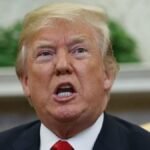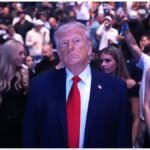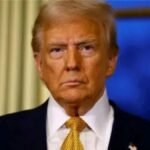

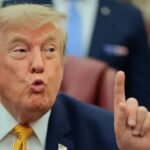


Since returning to office, Donald Trump has repeatedly been losing the trust of some of the United States’ most reliable allies. Whether through sweeping tariff policies, threats to seize Greenland, or the ongoing war that continues to raise alarm abroad, Trump’s second term is leaving a trail of fractured diplomatic relationships.
Now, a prominent U.K. leader is speaking out, and his words are direct.
Sir Ed Davey, the leader of the Liberal Democrats, the third-largest party in the British Parliament, sat down with MSNBC’s “The Weekend” to make a striking claim. He suggested that Trump may be using military conflict as a tool to distract the public from the long-awaited Epstein files and the political fallout still surrounding them.
“Trump is losing allies,” Davey said plainly, pointing to the steady erosion of American diplomatic standing since Trump returned to the White House.
Davey went further, raising a pointed question about whether the war itself might serve as political cover. He suggested that escalating a foreign conflict could be a deliberate strategy to pull public attention away from the deeply damaging contents of the Epstein files, which have already rattled politics on both sides of the Atlantic.
The Epstein files have caused serious political turbulence in the U.K. as well. Senior British figures, including former ambassador Peter Mandelson, have been named in connection with Jeffrey Epstein, triggering high-profile resignations and renewed calls for accountability. The ripple effects have made the files a deeply uncomfortable subject for leaders on both sides of the ocean.
Davey also called on British Prime Minister Keir Starmer to urge King Charles to cancel his planned state visit to the United States next month. The visit, already a subject of public debate, would send the wrong signal at the wrong time, Davey argued, given Trump’s treatment of traditional U.S. allies and his administration’s increasingly unpredictable foreign policy.
“The U.K. should not be at Trump’s beck and call,” Davey told the show, echoing a sentiment that is growing louder across Britain.
The criticism carries weight at a moment when Trump’s foreign policy is under intense scrutiny. At least 17 U.S. military bases in the Middle East have reportedly been struck in the current conflict. Billions of dollars in military equipment have been damaged or destroyed. Yet the White House has shown little sign of pulling back, even as domestic pressure mounts and approval ratings continue to slide.
Critics have been quick to connect the dots. If the Iran conflict worsens, and if public frustration grows at home, Trump faces the political danger of having to answer for two explosive issues at once, a costly and unpopular war abroad and the unresolved questions still swirling around the Epstein files here at home.
Davey’s remarks reflect a broader unease among European and British leaders about where American foreign policy is headed. NATO allies have watched Trump threaten to annex Greenland, impose trade tariffs on close partners, and now push the region toward a wider military conflict with minimal consultation or transparency.
The Liberal Democrats currently hold 72 seats in Parliament, making Davey a significant, if not dominant, voice in British politics. But his willingness to say publicly what many world leaders are only whispering privately speaks volumes about how far U.S. credibility has fallen on the global stage.
Whatever the motivations behind the war, and whether or not the Epstein files played any role in the timing, one thing is becoming increasingly hard to deny. Trump’s America is not just losing the battle of diplomacy. Under the weight of scandal, secrecy, and a deeply unpopular conflict abroad, it may be losing its allies for good.