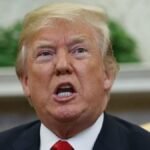
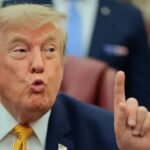

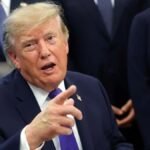


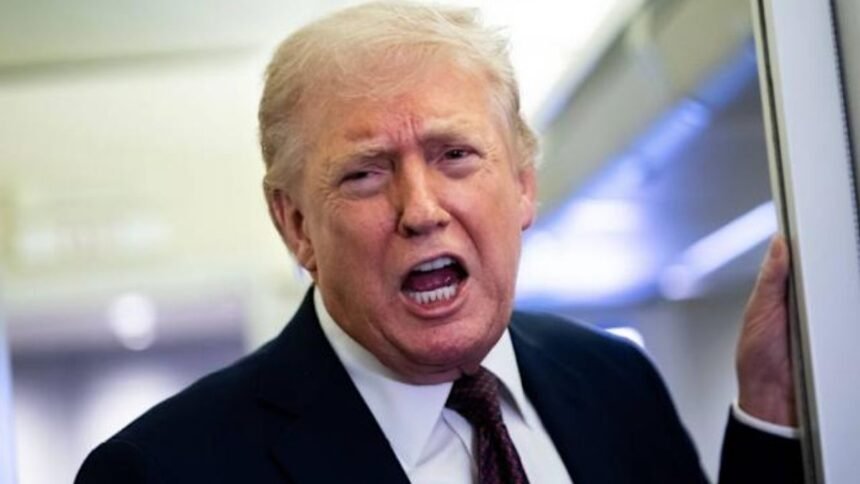
President Donald Trump went completely off the rails during an Oval Office appearance, turning what was supposed to be a routine signing event into a full-on tirade. He had gathered reporters to sign an executive order expanding access to retirement accounts for American workers. Instead, he spent much of the time railing against the media over their coverage of a recent U.S. military operation abroad.
The outburst came just as Trump was defending Operation Midnight Hammer, the U.S. military strikes targeting Iranian nuclear facilities. Trump insisted the operation was a total success and that every single bomb had hit its intended mark. He grew visibly agitated when reporters raised questions based on coverage that cast doubt on the mission’s effectiveness.
Trump zeroed in on CNN and The New York Times by name, accusing both outlets of refusing to give the military proper credit. He argued their skeptical coverage was not just wrong, it was deeply insulting to the men and women who carried out the mission. His voice rose as he repeated the same core demand more than once during the appearance.
'It's very disrespectful': Trump, who called John McCain a 'loser,' demands CNN 'respect our military' in Oval Office tirade pic.twitter.com/IdPzfCVHwR
— USNewsFeed (@USNewsFeed_) June 1, 2026
“I think it’s very disrespectful to our incredible military when they say, ‘Maybe they missed the target.’ Every single bomb hit the target.”
He closed that portion of his remarks with a blunt command directed squarely at the press corps gathered in the room.
“They have to respect our military. They have to.”
The lines landed hard, but not quite in the way Trump likely intended. Viewers watching the footage almost immediately began zooming in on the deep irony tucked inside his demand. The man now insisting that the media show more respect for the military is the very same man who once publicly mocked late Senator John McCain as a “loser” for being captured during the Vietnam War.
That attack came during the 2016 presidential campaign, when Trump said plainly that he preferred people who were not captured. McCain, a Navy pilot, spent more than five years as a prisoner of war in Hanoi, enduring torture while refusing early release because it would have handed his captors a propaganda victory. Trump dismissed that extraordinary sacrifice with a single contemptuous line that stunned even many Republicans at the time.
Critics were quick to draw the connection the moment Trump’s Oval Office remarks began spreading online. They pointed out that his current outrage over media skepticism sits in direct and uncomfortable tension with his long record of belittling decorated servicemembers. For many observers, the contrast was not just notable, it was the entire point.
Trump’s remarks did not stop at defending Operation Midnight Hammer. He used the moment to launch into a long, boastful monologue about the overall strength and dominance of the American military. He claimed he had personally rebuilt the armed forces into the most powerful fighting force on the planet and suggested that world leaders, including China’s Xi Jinping and Russia’s Vladimir Putin, had taken serious notice of that transformation.
Trump also claimed the targeted country was being “decimated” and mocked the very idea that any news report could alter public perception of what had happened. He cycled repeatedly through the same familiar themes throughout the remarks: total military dominance, an ungrateful and dishonest media, and his own singular role in making American strength possible again. Every few sentences, he circled back to the same grievance.
“The New York Times will tell you that they’re winning the war. It’s so sad.”
The speech veered freely between battlefield claims, long-standing press grievances, and self-congratulatory praise that had very little to do with the executive order he had just signed. Several observers noted that the retirement savings announcement, which expanded access to low-cost Individual Retirement Accounts for working Americans, was almost entirely buried beneath the tirade. It was precisely the kind of positive policy moment that typically earns favorable press coverage, and Trump spent most of it attacking journalists.
The backdrop of Operation Midnight Hammer added genuine weight and real stakes to the moment. The operation launched more than 100 aircraft, including B-2 stealth bombers, against Iranian nuclear sites in what U.S. military officials described as a historically successful strike that was fifteen years in the making. Journalists raising hard questions about the mission’s full outcome is not disrespect, it is exactly what a free press is supposed to do.
But Trump framed any and all questioning as a personal attack on the pilots, crews, and support personnel who executed the mission. He deliberately collapsed the distinction between critical journalism and genuine disrespect for military service. That framing is what drew the loudest and sharpest pushback from critics who have followed his rhetoric closely for years.
The John McCain contrast keeps resurfacing because it cuts directly to the heart of Trump’s credibility whenever he claims to champion military honor. McCain did not simply serve his country, he endured years of brutal captivity and turned down a chance at freedom because leaving early would have betrayed his fellow prisoners. Trump looked at that record and called it losing.
Now, from behind the Resolute Desk, Trump is demanding that the press treat military sacrifice as something beyond scrutiny or question. For millions of Americans watching the clip, the gap between what Trump says today and what he has said and done before is not a small footnote buried in history. It is the whole story, told in his own words.