

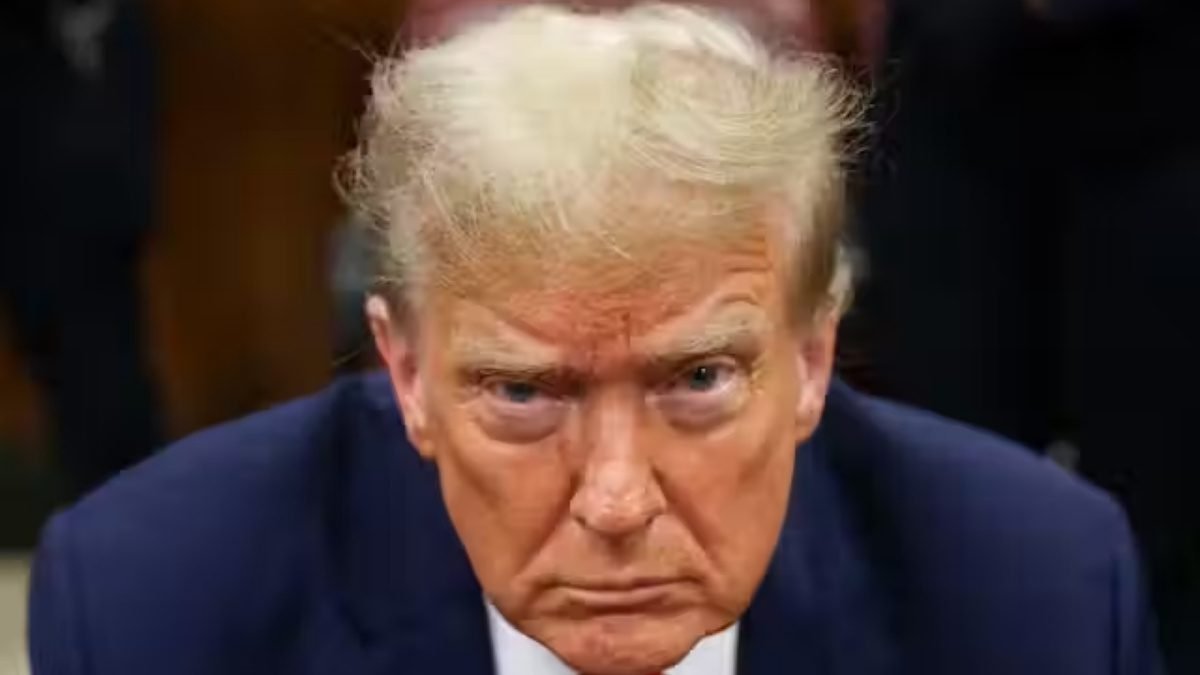
Exactly 10 days after becoming president early this year, Donald Trump made a choice that nearly put dozens of Californians at risk. He ordered the release of billions of gallons of water from two reservoirs in the Sierra Nevada foothills. Trump believed this would ease Los Angeles’ wildfires by sending more water to the city.
On social media, he showed a photo of water flowing and bragged about opening the floodgates. Trump claimed 1.6 billion gallons had been released, with 5.2 billion expected soon. He said people should be happy, even wishing they had listened to him years earlier to avoid fires.
However, experts said none of that water flowed to Los Angeles or Southern California. Instead, the sudden release threatened areas near Lake Kaweah and Success Lake in California’s Central Valley. The water overflowed river banks, risking floods in local communities.
California Senator Alex Padilla called the move a “poor publicity stunt” that was dangerous and lacked proper planning. Quick action by local water officials convinced the Army Corps of Engineers to reduce the water flow. This likely prevented serious harm or drowning.
Despite this, Trump kept praising his decision. At a February national prayer event, he claimed the water came from Canada and the Pacific Northwest, which experts say is impossible. He said Canada had a “giant valve” that was opened to let water flow into the Pacific.
David Dunning, a psychology professor who studies how people overestimate their knowledge, said Trump likely confused map directions with how water flows. Dunning explained that Trump thought water could flow down from Canada to California like turning on a tap. Learn about the Dunning-Kruger effect.
White House aides declined to comment on why Trump made the water release order or the billions of gallons wasted. The incident shows how Trump often makes decisions based on false information or ideas from friends and clubs rather than expert advice.
This behavior contrasts with other policies of Trump’s second term that follow Republican goals. For example, striking Iran, expanding immigration enforcement, cutting Medicaid, and deepening tax cuts are typical GOP issues.
Yet many of Trump’s choices are unrelated to established policies. The idea of solving wildfires by dumping water far from the fires has no basis in expert studies. These decisions come from his strong belief in incorrect ideas despite all evidence against them.
One senior adviser called Trump a “moron,” reflecting frustration with his lack of understanding. Some beliefs, like thinking sea-level rise will create more oceanfront land, cause little harm. Others, like wrong tariff ideas, hurt the economy and raise prices for consumers and farmers.
Trump has a history of ignoring facts. He once altered a hurricane map to make it look like Alabama was threatened when it was not. He also suggested people inject disinfectants to cure COVID-19, prompting warnings from product makers and the CDC.
Charles Leerhsen, who co-wrote Trump’s biography, said he had “never met anyone as stupid” and saw him as lacking curiosity. Trump’s ignorance, masked by lies and exaggerations, remains hard to pin down, according to former officials.
John Bolton, former security adviser, said Trump mixes truth and falsehoods freely. He knows what is false but says it anyway, crafting facts to fit his wishes. Others bluntly described Trump as a fool, with anecdotes of aides calling him an idiot or worse.
Rex Tillerson labeled Trump a “moron,” later clarified as a “fucking moron.” Tillerson described Trump as undisciplined, disliking reading or details, stuck on his own beliefs despite honest attempts to convince him otherwise.
Trump’s lack of grasp of science shows often. For example, he claimed bullets in Ukraine’s war do not drop because the land is flat. In reality, gravity causes bullets to fall, and many barriers can stop them.
He promoted climate change as a “Chinese hoax,” saying more oceanfront property would result. Yet rising seas generally reduce land area, harming coasts widely. He also boasted about lowering drug prices by 1,000 percent or more, which is math-impossible.
Pharmacies would have to pay people huge amounts to fill prescriptions for such claims to be true. Despite this, Trump repeatedly makes such absurd promises.
During his first term, aides struggled to counter Trump’s habit of believing far-fetched claims. He often trusted friends from country clubs over intelligence reports or experts within his administration.
For example, Trump believed a friend’s false claim that illegal immigrants voted multiple times in 2016 using costume changes. He created a task force to investigate that found no evidence and disbanded.
Another claim came from a golfer friend who convinced Trump the new aircraft carrier, USS Gerald Ford, had planes falling overboard due to launch system failure.
Trump ordered Pentagon officials to replace the advanced electromagnetic launcher with old steam catapults. The military ignored this, expecting Trump to forget. The carrier is now in service with the original system, which Trump still criticizes.
Despite repeated proof of ignorance, Trump insists he has expert knowledge. He often says he knows more than pollsters, technology people, or anyone else about various topics.
Trump has claimed to understand polls better than experts, know technology better than anyone, and have greater knowledge of sanctions and tariffs. He once confidently stated he knows the city of Seoul better than anyone else.
This mix of false claims, wild ideas, and denial of facts shapes Trump’s presidency. Without people willing to push back, his mistakes can become policies with real harm.
[inline_related_posts title=”RECOMMENDED” title_align=”left” style=”list” number=”2″ align=”none” ids=”” by=”primary_cat” orderby=”rand” order=”DESC” hide_thumb=”no” thumb_right=”no” views=”no” date=”yes” grid_columns=”2″ post_type=”” tax=””]
In summary, Trump’s early water release order endangered Californians and wasted resources. It arose from misunderstanding and conspiracy thinking. His broader pattern of ignoring facts and expert advice poses risks for governance and public safety.
Former officials’ blunt criticisms help explain some of these errors. The case shows why leadership demands understanding and reliance on facts, especially in crisis management.