

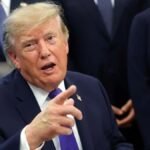
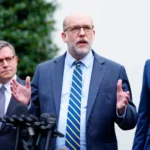



Yet FBI Director Kash Patel has insisted there is no definitive “client list,” no solid proof connecting others to Epstein’s crimes, and no ongoing probes into new suspects. “If credible evidence emerges, we will pursue it,” Patel told lawmakers. “But I have not been presented with anything new.”
Patel, who previously campaigned for public access to Epstein’s records, pointed the finger at former federal prosecutor Alexander Acosta, whose 2008 plea deal with Epstein granted the financier immunity from federal charges and protected unnamed co-conspirators, effectively stalling investigations into his network.
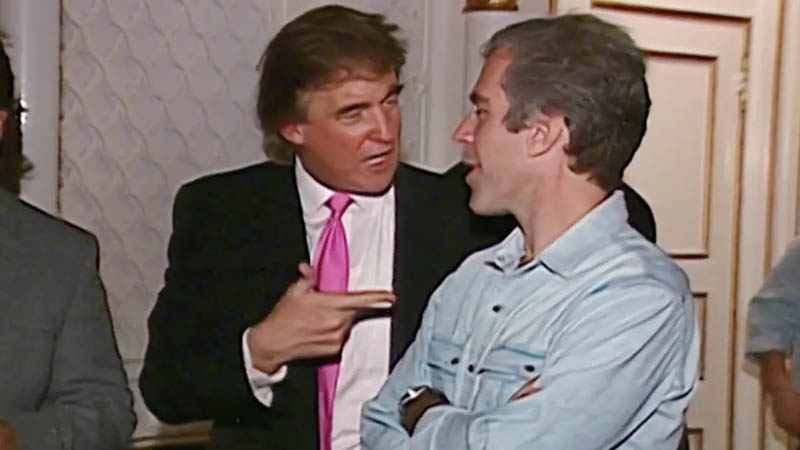
Acosta, once hailed as a rising star in Republican circles, resigned as U.S. Labor Secretary in 2019 amid renewed scrutiny of that plea bargain. He maintains the evidence at the time was too weak to secure a more severe conviction. However, a 2020 Justice Department internal review criticized his judgment, calling the lenient deal a misstep. Epstein ultimately pleaded guilty to state charges of soliciting a minor, served 13 months in a county jail, and enjoyed generous work-release privileges.
The Miami Herald later uncovered that in 2007, federal prosecutors had drafted a detailed 53-page indictment accusing Epstein of sex trafficking minors—a document that was reportedly shelved by superiors. Leaked emails reveal Epstein’s formidable legal team, including Alan Dershowitz and Kenneth Starr, successfully lobbied for numerous concessions.
That controversial plea didn’t stop New York authorities from charging Epstein with fresh sex trafficking counts in 2019. Just weeks after his arrest, Epstein was found dead in his cell in what officials ruled a suicide—a ruling his family and lawyers vehemently dispute. Ghislaine Maxwell, his longtime associate, was later convicted on trafficking charges and sentenced to 20 years; she is now appealing, citing the 2008 agreement as her shield.
Patel, testifying before Congress, reiterated that the immunity deal remains one of the biggest roadblocks to holding anyone else accountable. “The original sin in the Epstein case was the way it was initially brought by Mr. Acosta,” he said.
Patel reiterated to Congress that the immunity deal remains the major hurdle in holding others to account. “The original sin of this case was Mr. Acosta’s initial agreement,” he said. As these sealed documents continue to hide high-profile names, the debate over their release is far from over.