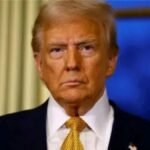




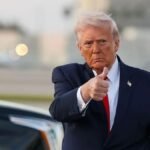



A federal grand jury in Washington, D.C., has returned a superseding indictment against President Donald Trump. He faces four counts related to attempts to overturn the 2020 election.
The charges mirror the original indictment filed in August 2023. They include conspiracy to defraud the United States and obstruction of an official proceeding. Special Counsel Jack Smith leads the prosecution.
The decision comes despite a recent Supreme Court ruling granting presidents broad immunity for official acts. Smith emphasized that the indictment reflects a commitment to uphold the law.
“No one is above the law, not even a president,” Smith said. The case has drawn strong reactions from both Democratic and Republican leaders across the country.
In a related development, Congresswoman Alexandria Ocasio-Cortez introduced articles of impeachment against Supreme Court Justices Clarence Thomas and Samuel Alito. The allegations involve ethical violations and undisclosed gifts.
Ocasio-Cortez also accused the justices of failing to recuse themselves from January 6-related cases. She stated that the actions of the Court undermine democratic principles and erode public trust.
“This is a corruption crisis within the judiciary,” Ocasio-Cortez said. She emphasized that accountability is critical to preserving the integrity of the legal system and public confidence.
Meanwhile, NASA is accelerating U.S. plans to establish a permanent presence on the Moon. Officials aim to deploy a 100-kilowatt nuclear reactor by 2030 to power lunar bases.
The reactor is intended to address the Moon’s long periods of darkness. NASA believes this will allow astronauts to stay longer and conduct more scientific research on the lunar surface.
The initiative is also a response to China’s growing space ambitions. Beijing aims to establish a lunar base by 2030, prompting the U.S. to increase funding and speed up its projects.
U.S. officials say space exploration is tied to national security and technological leadership. They argue that dominance in space can enhance America’s global position and scientific innovation.
The intersection of law, politics, and international competition is shaping U.S. governance. Legal battles over Trump and judicial accountability continue while the nation races for space dominance.
Republicans have criticized the grand jury proceedings as politically motivated. Some argue the indictments target Trump unfairly and could influence future elections, highlighting deep partisan divides in the country.
Democrats defend the investigations, stressing that no individual should be exempt from the law. They argue that accountability is necessary to maintain democracy and prevent abuse of power in public office.
Legal analysts warn that both cases could take months to unfold in court. The outcomes may have lasting effects on U.S. political dynamics, elections, and the balance of judicial power.
Observers note that space projects could also face delays due to budget constraints and technical challenges. However, both NASA and private partners remain committed to reaching the Moon by 2030.
Public opinion is divided. Many Americans follow the grand jury and space news closely, expressing strong views on accountability and national competitiveness. Social media platforms have amplified debates over both issues.
Experts say the combination of political, legal, and technological developments will define U.S. leadership for years. How the courts, lawmakers, and space agencies act will influence public trust.
As of now, Trump has denied wrongdoing and called the proceedings a “witch hunt.” He continues to campaign and maintain influence within the Republican Party, drawing large crowds to political events.
Ocasio-Cortez remains vocal about judicial reform, arguing for stricter ethics rules. She is planning hearings to explore further oversight of the Supreme Court to prevent conflicts of interest.
NASA’s lunar program will rely on international cooperation and private partnerships. Engineers are designing habitats, reactors, and life support systems to ensure safety and sustainability for long-term missions.
China’s space ambitions remain a key driver for U.S. efforts. Officials stress that leadership in space requires rapid development and consistent funding, or the United States could lose its competitive edge.
The legal and political developments in Washington, D.C., continue to dominate headlines. Public attention is equally focused on ambitious space projects, showing a nation divided between accountability and exploration.
The outcomes of these efforts will likely affect elections, policy priorities, and international perception. Analysts predict the next few years will be pivotal for U.S. politics and scientific achievement.
Experts say that closely monitoring both legal cases and space programs is essential to understanding the country’s future. Decisions today could shape governance and technology for decades.
The combination of legal scrutiny and lunar competition illustrates the challenges facing the United States. Balancing justice, political unity, and global competitiveness remains a major task for leaders.
Public debate will likely continue as both the grand jury proceedings and space missions progress. Americans are watching closely, weighing accountability against ambition in the legal and technological arenas.
[inline_related_posts title=”RECOMMENDED” title_align=”left” style=”list” number=”2″ align=”none” ids=”” by=”primary_cat” orderby=”rand” order=”DESC” hide_thumb=”no” thumb_right=”no” views=”no” date=”yes” grid_columns=”2″ post_type=”” tax=””]
The nation faces multiple pressures simultaneously. Political battles, judicial accountability, and the race to the Moon show that decisions in law and science can have immediate and long-term consequences.
As events unfold, the United States is set to make historic choices. How leaders manage these challenges will define trust in institutions and the country’s place in the international arena.